GatorWise Awareness Urged as Alligator Activity Rises in South Georgia and Florida
By Carol A. Gasser Moore |
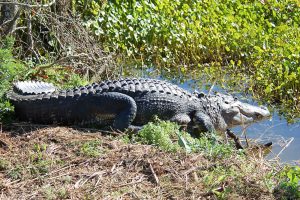
FLORIDA / South Georgia – As temperatures climb and outdoor recreation surges, wildlife officials are reminding residents across South Georgia and North Florida to stay alert and GatorWise — especially near lakes, ponds, and rivers where alligator sightings are more likely this time of year.
The Florida Fish and Wildlife Conservation Commission (FWC) recently launched GatorWise, a public awareness initiative designed to help people safely coexist with alligators as summer brings the reptiles into more frequent public view. Though created by FWC, the campaign includes contributions from 11 southeastern state wildlife agencies, including Georgia’s Department of Natural Resources (DNR), reflecting a coordinated, regional approach to alligator safety.
Alligators Know No State Line
“Alligators don’t carry passports — they move freely throughout their range, and that includes South Georgia,” said a DNR wildlife biologist based in Valdosta. “Many people are surprised to learn that Georgia has thousands of wild alligators, especially in areas south of the Fall Line.”
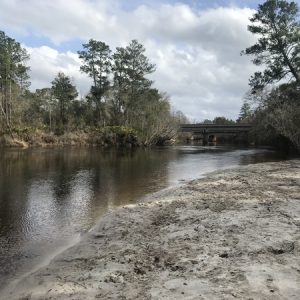
From the Okefenokee Swamp to the banks of the Withlacoochee and Alapaha Rivers, South Georgia provides ideal habitat for these iconic reptiles. Alligators are known to inhabit lakes, swamps, and even roadside ditches. While they tend to avoid people, rising temperatures and seasonal nesting behaviors can increase encounters.
GatorWise Tips for South Georgians
GatorWise is built around science-based best practices to reduce the risk of conflict between humans and alligators. Wildlife officials across the Southeast are encouraging families, anglers, and boaters to take the following steps:
- Never feed alligators — it’s illegal and dangerous. Feeding encourages them to lose their natural wariness of humans.
- Keep pets and children away from the edge of any freshwater body, especially at dawn and dusk.
- Don’t throw fish scraps into the water — dispose of them in designated containers.
- If you see an alligator, maintain a safe distance and leave it alone.
- If you believe an alligator poses a threat, contact local wildlife authorities or DNR law enforcement.
“Alligators play an important role in wetland ecosystems,” said Matthew Nichols, FWC’s Alligator Management Program Coordinator. “We want people to have a healthy respect for them and to recognize that coexisting safely is very possible — and necessary — in the South.”
Know Before You Go
With many South Georgia residents vacationing or visiting relatives in Florida, the GatorWise campaign is also a timely reminder for summer travelers.
If your plans include popular spots like St. Augustine, Gainesville, or the Florida Panhandle — all areas known for freshwater springs, lakes, and canals — it’s wise to assume alligators are nearby.
Visit GatorWise.org to learn more about alligator behavior, safety tips, and how to report nuisance gators.