Vehicle Fire Safety: What Drivers Need to Know *
By Carol A. Gasser Moore / * Inglés y español |
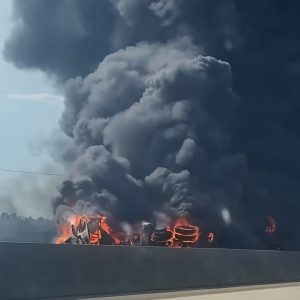
SOUTH GEORGIA – Recent vehicle fires in South Georgia highlight the importance of knowing how to prevent fires and how to respond if one occurs. 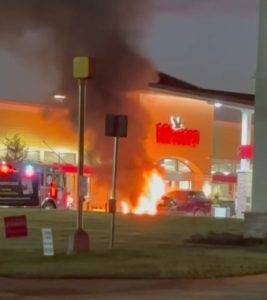
According to fire safety experts, most vehicle fires begin with mechanical or electrical problems. Regular maintenance remains one of the best defenses against a potentially dangerous situation.
Signs that a vehicle may be at risk of fire include:
- The smell of gasoline or burning rubber.
• Smoke coming from under the hood.
• Electrical problems such as flickering lights or blown fuses.
• Fluid leaks beneath the vehicle.
• Engine overheating warnings.
To reduce the risk of a vehicle fire, experts recommend keeping up with routine maintenance, addressing recalls promptly, checking fluid levels regularly, and having unusual odors or warning lights inspected by a qualified mechanic. 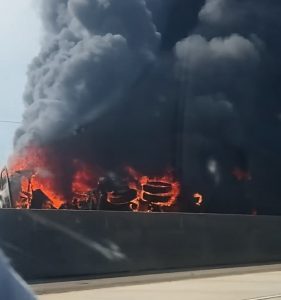
If Your Vehicle Catches Fire
If smoke or flames appear while driving:
- Pull over immediately in a safe location.
- Turn off the engine.
- Exit the vehicle as quickly as possible.
- Move at least 100 feet away from the vehicle.
- Call 911 immediately.
- Keep others away from the area.
Safety officials warn drivers not to return to a burning vehicle to retrieve personal belongings. Fires can spread rapidly, and explosions may occur if fuel systems or tires are involved.
What About Fire Extinguishers?
A small fire extinguisher can be useful for minor fires if it is readily available and the fire is still contained. However, experts caution that drivers should never attempt to fight a fire that is growing rapidly, producing heavy smoke, or involving the fuel system.
Your Safety Comes First
The recent vehicle fires in Valdosta and Cook County demonstrate how quickly ordinary situations can become emergencies. Whether caused by mechanical failure or a traffic collision, vehicle fires can escalate in seconds.
Emergency responders emphasize a simple rule: if your vehicle catches fire, get out, move away, and call for help. Vehicles can be replaced. Lives cannot.
________________________
For our Spanish speakers / Para nuestros hablantes de español
________________________
Seguridad Contra Incendios en Vehículos: Lo Que los Conductores Deben Saber
Por Carol A. Gasser Moore | Inglés y Español
Traducción al español asistida por Inteligencia Artificial (IA)
SUR DE GEORGIA — Los recientes incendios de vehículos ocurridos en el sur de Georgia resaltan la importancia de saber cómo prevenir incendios y cómo responder si uno llega a ocurrir.
Según expertos en seguridad contra incendios, la mayoría de los incendios vehiculares comienzan debido a problemas mecánicos o eléctricos. El mantenimiento regular sigue siendo una de las mejores defensas contra una situación potencialmente peligrosa.
Señales de Que un Vehículo Puede Estar en Riesgo de Incendio
- Olor a gasolina o caucho quemado.
• Humo proveniente de debajo del capó.
• Problemas eléctricos, como luces parpadeantes o fusibles quemados.
• Fugas de líquidos debajo del vehículo.
• Advertencias de sobrecalentamiento del motor.
Para reducir el riesgo de un incendio vehicular, los expertos recomiendan mantenerse al día con el mantenimiento rutinario, atender rápidamente cualquier retiro de seguridad (recall), revisar regularmente los niveles de líquidos y hacer inspeccionar por un mecánico calificado cualquier olor inusual o luz de advertencia.
Si Su Vehículo Se Incendia
Si observa humo o llamas mientras conduce:
- Deténgase inmediatamente en un lugar seguro.
- Apague el motor.
- Salga del vehículo lo más rápido posible.
- Aléjese al menos 100 pies (aproximadamente 30 metros) del vehículo.
- Llame al 911 de inmediato.
- Mantenga a otras personas alejadas del área.
Las autoridades de seguridad advierten a los conductores que no regresen a un vehículo en llamas para recuperar pertenencias personales. Los incendios pueden propagarse rápidamente y pueden producirse explosiones si están involucrados el sistema de combustible o los neumáticos.
¿Qué Hay de los Extintores?
Un pequeño extintor de incendios puede ser útil para controlar incendios menores si está fácilmente disponible y el fuego aún está contenido. Sin embargo, los expertos advierten que los conductores nunca deben intentar combatir un incendio que esté creciendo rápidamente, produciendo una gran cantidad de humo o involucrando el sistema de combustible.
Su Seguridad Es lo Primero
Los recientes incendios de vehículos en Valdosta y el Condado de Cook demuestran cuán rápidamente una situación ordinaria puede convertirse en una emergencia. Ya sea causado por una falla mecánica o por una colisión de tráfico, un incendio vehicular puede agravarse en cuestión de segundos.
Los equipos de emergencia enfatizan una regla sencilla: si su vehículo se incendia, salga, aléjese y pida ayuda.
Los vehículos pueden reemplazarse. Las vidas no.