What It Means for Georgia Post-Hurricane Helene – USDA Announces $23 Million in Grants to Boost Timber Use and Fight Wildfires
By Carol A. Gasser Moore
GEORGIA – The U.S. Department of Agriculture (USDA) has unveiled a new initiative to address America’s growing wildfire threat while revitalizing the domestic timber industry. In a major step toward proactive forest management, the agency announced $23 million in grants through the Hazardous Fuels Transportation Program to help remove and transport dead or downed trees from national forests to processing facilities.
The funding aims to reduce wildfire risks, protect rural communities, and strengthen wood-based industries, especially in regions recently devastated by storms and forest degradation—including Georgia, still recovering from the widespread ecological impacts of Hurricane Helene.
Georgia’s Forests at Risk
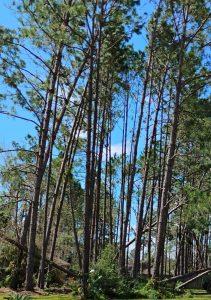
Georgia, home to nearly 24 million acres of forest, is especially vulnerable to the wildfire risks posed by hazardous fuels—such as dead trees, storm-downed branches, and dense undergrowth. The aftermath of Hurricane Helene, which swept through South Georgia last fall, left large swaths of storm-damaged timber, increasing fire risk across federally managed lands and rural counties.
Forest industry experts and environmental managers in Georgia have expressed concern that if downed wood remains uncollected, it could fuel catastrophic wildfires during the dry summer months.
“This new round of USDA funding is critical for southern states like Georgia,” said Dr. Allen Vickery, a forest ecologist with the Georgia Forestry Association. “After Hurricane Helene, many areas saw a buildup of dead wood that hasn’t been cleared yet. These funds could mean the difference between a manageable burn and a devastating wildfire.”
Economic Boost for Georgia’s Timber Sector
The program doesn’t just protect communities—it also injects energy into the state’s wood products economy, which employs over 50,000 Georgians. Grants are open to businesses, non-profits, and state, local, and tribal governments for projects that help transport hazardous forest materials to facilities where they can be processed into renewable energy, soil amendments, and cross-laminated timber.
Unlike high-grade lumber used in construction, low-value wood has limited marketability. The USDA program addresses that gap by helping offset transportation costs, especially in areas where facilities are sparse.
“This initiative supports jobs, promotes innovation in wood processing, and makes use of materials that would otherwise rot or burn,” said Agriculture Secretary Sarah Rollins. “We are delivering on President Trump’s executive order to unleash the full potential of our natural resources while protecting lives and property.”
Fast-Tracked Projects in Emergency Zones
To expedite impact, the USDA will prioritize funding for areas covered by Emergency Situation Determinations (ESDs)—including those hit by natural disasters like Hurricane Helene. These ESDs allow for faster project approvals and reduced administrative red tape, ensuring hazardous fuel removal can begin without delay.
The USDA’s Forest Service will accept applications for funding through June 20, 2025, with informational webinars to be announced soon on the Forest Service Timber Transportation Program website.
Looking Ahead
As Georgia continues to grapple with the ecological consequences of increasingly severe weather, programs like these provide dual-purpose relief: reducing the risk of wildfires while revitalizing rural economies.
“This is about resilience,” said Rep. Laura Gaines (R-GA), a member of the House Agriculture Committee. “Programs like this one recognize that our forests are not just a resource—they are a responsibility.”
With the 2025 wildfire season approaching and hurricane recovery still ongoing, state officials, forestry organizations, and local governments are being urged to apply quickly to secure support.
How to Apply
📅 Deadline: June 20, 2025
🌐 More Info: USDA Forest Service Timber Transportation Program